
Paint protection film requires a minimum curing period of seven to ten days in high-humidity environments before a safe pressure wash. While standard installations in arid conditions cure in three to five days, elevated moisture slows the evaporation of the mounting solution trapped beneath the polyurethane layer. Prematurely exposing the film’s edges to high pressure before this cross-linking process completes causes water intrusion, lifting, and permanent bubbling.
When high atmospheric moisture enters the equation, the curing timeline shifts. Understanding this relationship between ambient humidity and adhesive bonding ensures your protective layer remains flawlessly secured for the long haul.
The Science of Film Adhesion and High Humidity
To understand why a prolonged waiting period is necessary, it helps to examine how the installation process works. Paint protection film is applied using a precise wet-method technique. A specialized slip or mounting solution, typically a formulated mixture of water, mild soap, or isopropyl alcohol, is sprayed onto both the adhesive side of the film and the painted panels of the vehicle.
An installer positions the material and uses a squeegee to express the liquid out from beneath the clear polyurethane. While the vast majority of the moisture is removed during this step, a microscopic layer of moisture remains trapped between the adhesive and the clear coat. For the bond to become completely permanent, this remaining moisture must entirely evaporate through the porous structure of the film.
Atmospheric Moisture Comparisons
The table below illustrates how different environmental conditions alter the time it takes for the underlying mounting solution to dry completely:
| Atmospheric Humidity Level | Average Curing Window | Structural Bond Strength Timeline | Recommended First Wash Method |
| Low / Arid (< 30%) | 3 to 5 Days | Rapid cross-linking within 72 hours | Gentle hand wash after day 5 |
| Moderate (30% – 60%) | 5 to 7 Days | Steady evaporation over 120 hours | Standard hand wash after day 7 |
| High / Dense (> 60%) | 7 to 10 Days | Prolonged moisture suspension | Cautious pressure wash after day 10 |
Our Approach to Automotive Preservation
Achieving a flawless finish requires technical precision. At Carolina’s Finest Detailing, we protect surfaces through a dedicated framework engineered to handle environmental challenges like high humidity.
Key Pillars of Premium Vehicle Protection
- Expert Craftsmanship and Certified Excellence: We treat every vehicle with absolute precision. Our factory-certified team uses extensive hands-on experience to master complex body lines and deep recesses. By managing our studio’s climate, we eliminate initial humidity risks during installation to ensure optimal application conditions.
- Quality Materials for Outstanding Performance: We utilize elite, optically clear polyurethane films featuring advanced self-healing and stain resistance. These materials use sophisticated, pressure-sensitive acrylic adhesives that adapt perfectly to diverse climates, ensuring a secure bond even in dense, humid weather.
- Customer-Centric Service for a Hassle-Free Experience: We provide a seamless and hassle-free car care experience built on transparency and trust. By educating you on the post-installation curing timeline, we remove the guesswork so you can enjoy superior results. We handle each vehicle as our own, consistently aiming for precision and perfection.
How to Safely Pressure Wash a Protected Vehicle
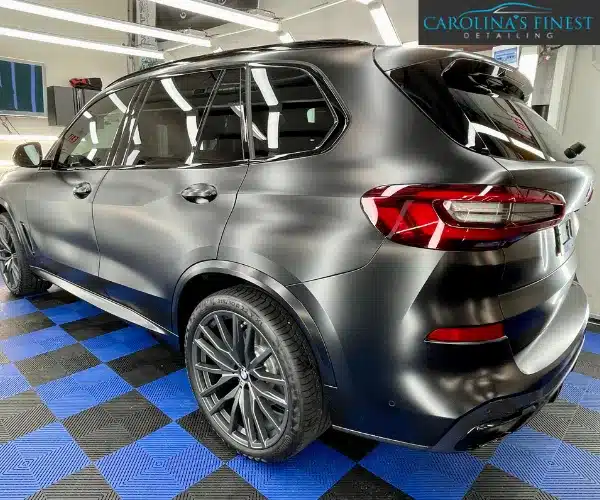
Once the ten-day curing period has passed in a humid climate, using a pressure washer is an excellent way to maintain your vehicle, provided you follow correct technical guidelines. High pressure can safely blast away road grime, bird droppings, and bugs without scratching the film, but improper technique can still cause physical damage.
Step 1: Maintain a Safe Distance
Never place the spray nozzle directly next to the film. Keep the tip of the pressure washer wand at least twelve to eighteen inches away from the surface of the vehicle at all times. This distance allows the water pressure to disperse safely across the panel rather than concentrating intense kinetic energy on a single point.
Step 2: Manage Your Angle of Attack
Avoid spraying water directly at a ninety-degree angle into the wrapped edges or seams of the film. If you blast water straight at an edge, you risk forcing the liquid underneath the polyurethane layer. Instead, angle the spray wand so that water flows over and across the seams rather than underneath them.
Step 3: Choose the Right Spray Nozzle
Never use the narrow, pinpoint red nozzle (0-degree) or the yellow nozzle (15-degree) on automotive surfaces. These tips concentrate pressure to a degree that can slice right through the film or lift the clear coat. Instead, utilize a wide green nozzle (25-degree) or white nozzle (40-degree), which creates a broader, gentler fan pattern perfect for safe rinsing.
Maintaining Your Vehicle’s Glass-Like Finish
Caring for an advanced automotive film requires a dedicated routine to preserve its self-healing properties and deep gloss. During a recent audit for a firm in Waxhaw, our team noted that regular, gentle maintenance prevents fine environmental debris from embedding into the pores of the material.
When washing a vehicle equipped with paint protection film in Charlotte, NC, always utilize the two-bucket method to minimize swirl marks. Use one bucket for your pH-neutral automotive shampoo and a second bucket of clean water to rinse your wash mitt, ensuring trapped dirt is not rubbed back onto the film.
Owners looking for premium paint protection film in Charlotte must stay mindful of seasonal tree pollen, industrial fallout, and bird droppings. Because the film sacrifices itself to protect your factory paint, letting highly acidic substances sit can etch the top layer.
For those investing in Charlotte paint protection film, a quick rinse with clean water or a detailed spray between scheduled washes is the best way to maintain pristine clarity, ensuring outstanding performance and superior results.
People Also Ask
Can I accelerate the film curing process in high humidity? While you cannot alter outdoor air moisture, storing your car in a climate-controlled, dry garage speeds up drying. Parking in direct sunlight on warm, clear days also helps evaporate the trapped solution. Never use DIY heat guns or hair dryers, as improper heat melts the polyurethane and distorts the adhesive.
What happens if water gets trapped under the film permanently? Tiny water pockets are normal and naturally evaporate through the film’s porous structure. However, large puddles left by poor squeegee technique will turn into permanent air pockets once dry. Professional installers identify and fix these larger pockets during a final inspection before delivering the vehicle.
Is it safe to take my car through an automatic car wash after installation? Avoid automatic washes with mechanical spinning brushes, which catch edges, cause lifting, and introduce deep scratches. Touchless automatic car washes are safer but use extreme pressure and harsh, highly alkaline chemicals that degrade the protective top coat over time. Hand washing remains the gold standard.
How do I safely remove bugs and bird droppings during the curing phase? Do not use a pressure washer or scrub aggressively during the initial seven-to-ten-day window. Instead, spray the spot with distilled water and a drop of pH-neutral soap. Let it dwell for one minute to soften the debris, then gently wipe it away using a plush microfiber towel without applying downward pressure.
Secure Long-Term Protection For Your Vehicle
Preserving your vehicle’s immaculate appearance requires an unwavering attention to detail and a commitment to perfection. At Carolina’s Finest Detailing, we pair elite products with meticulous technical execution to provide a flawless shield against the elements. Our passionate team treats each vehicle with the utmost care, ensuring every edge is perfectly wrapped and optimized for maximum longevity.
To discover how our advanced options safeguard your investment, contact us and book an appointment with our specialist team today to experience the difference in quality and care.