
Auto detailing removes stubborn stains, odors, and environmental contaminants through specialized techniques such as thermal steam extraction, chemical decontamination, enzymatic breakdown, and paint correction. Unlike a drive-through car wash that cleans only surface-level dirt, professional detailing targets deep-set fibers and clear coat imperfections using commercial-grade tools. By breaking down compound bonds at a molecular level, detailing restores a vehicle’s interior and exterior to like-new condition while preserving long-term value.
The Science of Surface Contaminants and Deep Stains
Vehicles endure constant exposure to harsh environmental factors, everyday spills, and biological elements that bond with automotive surfaces over time. Vehicle owners booking auto detailing in Charlotte, NC often seek out advanced restoration processes to counter regional humidity, pine sap, and road chemicals that ruin factory paint finishes. When contaminants sit on clear coats or fabric, routine washing fails to break their molecular bond.
Exterior Contamination: Above and Below the Clear Coat
Your vehicle’s paint is constantly subjected to invisible airborne pollutants. Industrial fallout, rail dust, brake dust, acid rain, and tree sap do not simply sit on top of the clear coat, they embed into it.
When iron particles from brake dust land on paint, they oxidize and expand, creating microscopic pits. Standard sponges cannot dislodge embedded particles and often drag them across the clear coat, causing severe swirl marks.
Interior Stains: Organic vs. Inorganic
In the cabin, stains fall into two primary categories:
- Organic Stains: Coffee, food spills, mud, pet accidents, and body oils requiring pH-balanced cleaners or enzymatic solutions to digest biological compounds.
- Inorganic Stains: Grease, motor oil, ink, and road salt requiring solvent-based formulas to break down carbon and hydrocarbon bonds.
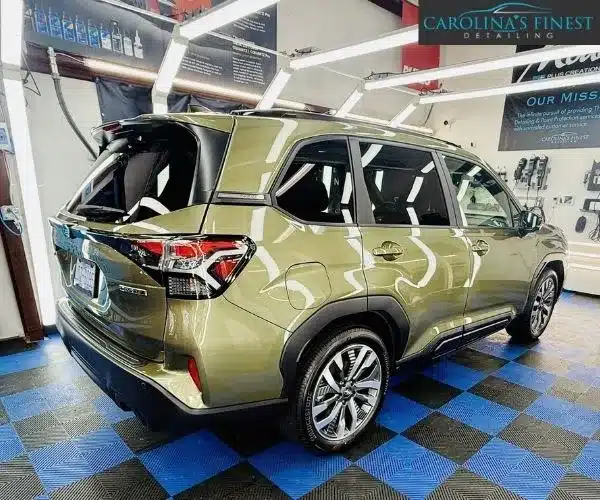
How Professional Detailing Eliminates Exterior Contaminants
Restoring exterior paint requires a systematic decontamination process using physical and chemical methods to safely lift impurities without damaging the clear coat.
1. Chemical Decontamination
Before mechanical agitation takes place, technicians apply dedicated chemical iron removers and tar solvents. Iron removers target ferrous metal particles, turning purple as they dissolve the metal contaminants embedded in your clear coat.
2. The Clay Bar Process
Following chemical decontamination, a clay bar or clay mitt glides across the paint alongside a specialized lubricant. The clay shears off stubborn contaminants like overspray, sap, and leftover fallout, leaving the surface smooth to the touch.
3. Paint Correction and Polishing
Eliminating deeper water spot etchings, bird dropping damage, and heavy oxidation requires machine polishing. Specialized rotary or dual-action polishers level out surface defects and restore optical clarity. Local drivers investing in Charlotte auto detailing rely on this precise step to undo paint damage caused by intense summer sun and road debris.
The Chemistry of Interior Stain and Odor Removal
Interior detailing balances chemical reaction with specialized equipment, avoiding the common mistake of driving stains deeper into carpet padding or upholstery cushions.
Thermal Steam Extraction
Low-moisture dry steam operating above 200°F liquefies ground-in oils, sterilizes surfaces to eliminate bacteria and mold spores, and softens synthetic materials to lift grime from textured grain patterns without destructive scrubbing.
Hot Water Extraction
Warm water extractors inject specialized cleaning solutions deep into carpet fibers and underlying pad layers. Simultaneously, high-lift vacuum motors extract dissolved dirt and moisture, preventing “wicking” a problem where deep stains re-emerge as fabrics dry.
Enzymatic Cleaners for Biological Stains
Biological messes contain complex proteins that standard soaps cannot break down. Enzymatic cleaners introduce active enzymes that digest organic molecules, eliminating both the visual spot and the source of foul smells.
Advanced Odor Destruction: Beyond Air Fresheners
Odors consist of volatile organic compounds (VOCs) trapped in porous interior surfaces like headliners, seat foam, and air conditioning ducts. Completely removing persistent smells requires molecular-level neutralizers.
Ozone Treatment
An ozone generator floods the vehicle’s interior with ozone gas. As a powerful oxidizing agent, ozone seeks out organic molecules and bacteria, breaking their chemical structure and reverting back into pure oxygen.
Chlorine Dioxide Vapor Treatment
For severe smoke or mildew contamination, Chlorine Dioxide gas provides deep-penetrating eradication. Gas particles are small enough to penetrate deep into seat cushions, under-carpet padding, and HVAC ducting to destroy trapped odor particles at their root.
The Carolina’s Finest Detailing Difference
Restoring a vehicle to showroom condition requires more than basic wash buckets and consumer shop vacuums. At Carolina’s Finest Detailing, our core service standards deliver meticulous care for every vehicle:
- Expert Craftsmanship: Every technician undergoes continuous training in surface chemistry, paint depth measurement, and interior restoration techniques.
- Certified Excellence: We adhere to strict industry standards, utilizing certified processes that ensure safe, repeatable results on delicate finishes.
- Customer-Centric Service: We treat your vehicle as a major investment, tailoring our process to your specific preferences with clear communication.
- Quality Materials: We exclusively use professional-grade, pH-balanced chemicals, commercial extraction equipment, and durable ceramic coatings.
- Outstanding Performance and Superior Results: Our multi-stage decontamination, paint restoration, and interior extraction protocols deliver clarity and cleanliness that standard car washes cannot match.
- Ensuring a Seamless and Hassle-Free Car Care Experience: Convenient scheduling and white-glove attention to detail make maintaining your vehicle effortless.
If you are evaluating options for auto detailing in Charlotte, insist on a shop that combines verified chemical expertise with certified paint care standards.
Long-Term Protection: Preventing Future Stains and Contaminants
Once stains, odors, and contaminants are eradicated, protective coatings shield your investment against future environmental damage.
Ceramic Coatings for Exterior Paint
Ceramic coatings form a chemical bond with vehicle paint, creating a hydrophobic surface that repels water, mud, dirt, and road grime while guarding against UV oxidation and bird dropping etchings.
Hydrophobic Upholstery and Leather Sealants
Modern interior protection coats fabric fibers and leather pores without altering their natural texture. Spilled liquids bead on top of the fabric rather than soaking into the cushion padding, making cleanups straightforward. Commuters living in surrounding areas like Indian Trail rely on these protective barriers to shield paint and interiors from red clay dust, high humidity, and intense sun exposure.
People Also Ask (FAQ)
Can auto detailing remove old, set-in carpet stains?
Yes. Professional detailers use hot water extractors, steam units, and targeted chemical emulsifiers to break down set-in stains that household cleaners leave behind. While complete removal depends on the stain material and fabric age, professional techniques dramatically reduce or eliminate deep spots.
How does detailing remove smoke smells permanently?
Permanent smoke odor removal requires deep-cleaning all interior surfaces including carpet extraction and headliner cleaning followed by gaseous oxidation treatments like ozone or Chlorine Dioxide that destroy odor molecules at a structural level.
Will a clay bar treatment damage my car’s paint?
When performed correctly with proper lubrication, a clay bar treatment will not harm your paint. It safely pulls embedded surface contaminants out of the clear coat.
How often should I have my vehicle professionally detailed?
A comprehensive detail is recommended every 4 to 6 months. Vehicles subjected to harsh weather, daily commutes, or pets benefit from quarterly maintenance to keep contaminants from permanently etching surfaces.
Experience the Precision Difference
When you value the appearance, comfort, and resale value of your vehicle, settling for quick, superficial car washes is not an option. You deserve the peace of mind that comes with knowing your investment is cared for by passionate professionals.
At Carolina’s Finest Detailing, we are dedicated to perfection. Whether you need deep interior stain removal, severe odor elimination, or full paint restoration, our team delivers exceptional quality on every vehicle.
Ready to restore that new-car feel? Contact us today and experience the ultimate standard in professional automotive care.